Opening a delivery box at a major corporate luncheon only to find lukewarm pasta and wilted, warm greens is an instant disappointment. You expected steaming hot lasagna and a crisp, chilled Caesar salad, not this.
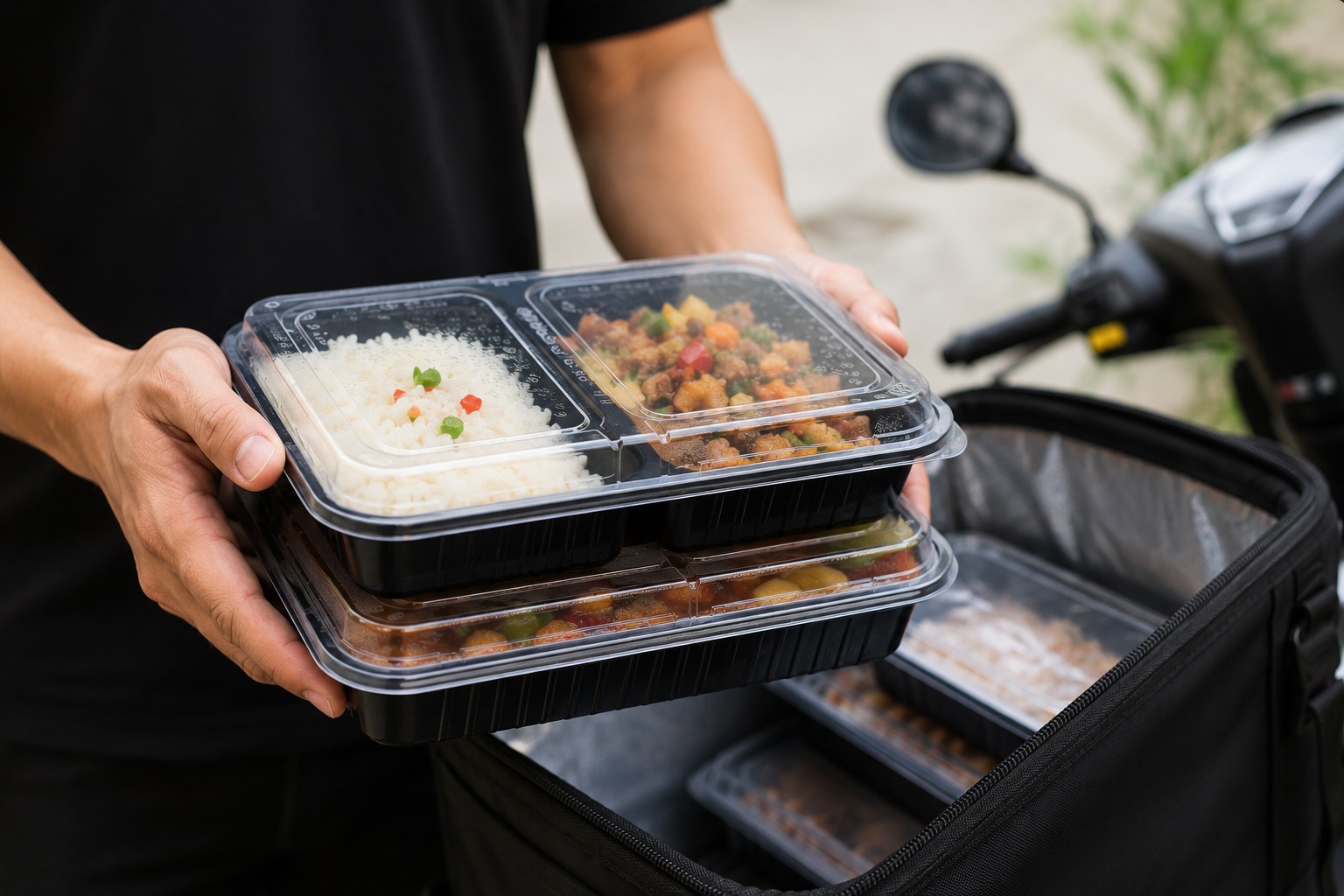
For a caterer, it’s the kind of delivery problem that can quickly affect the customer’s experience. Maintaining food temperature and texture during transport is one of the biggest challenges in the food service industry.
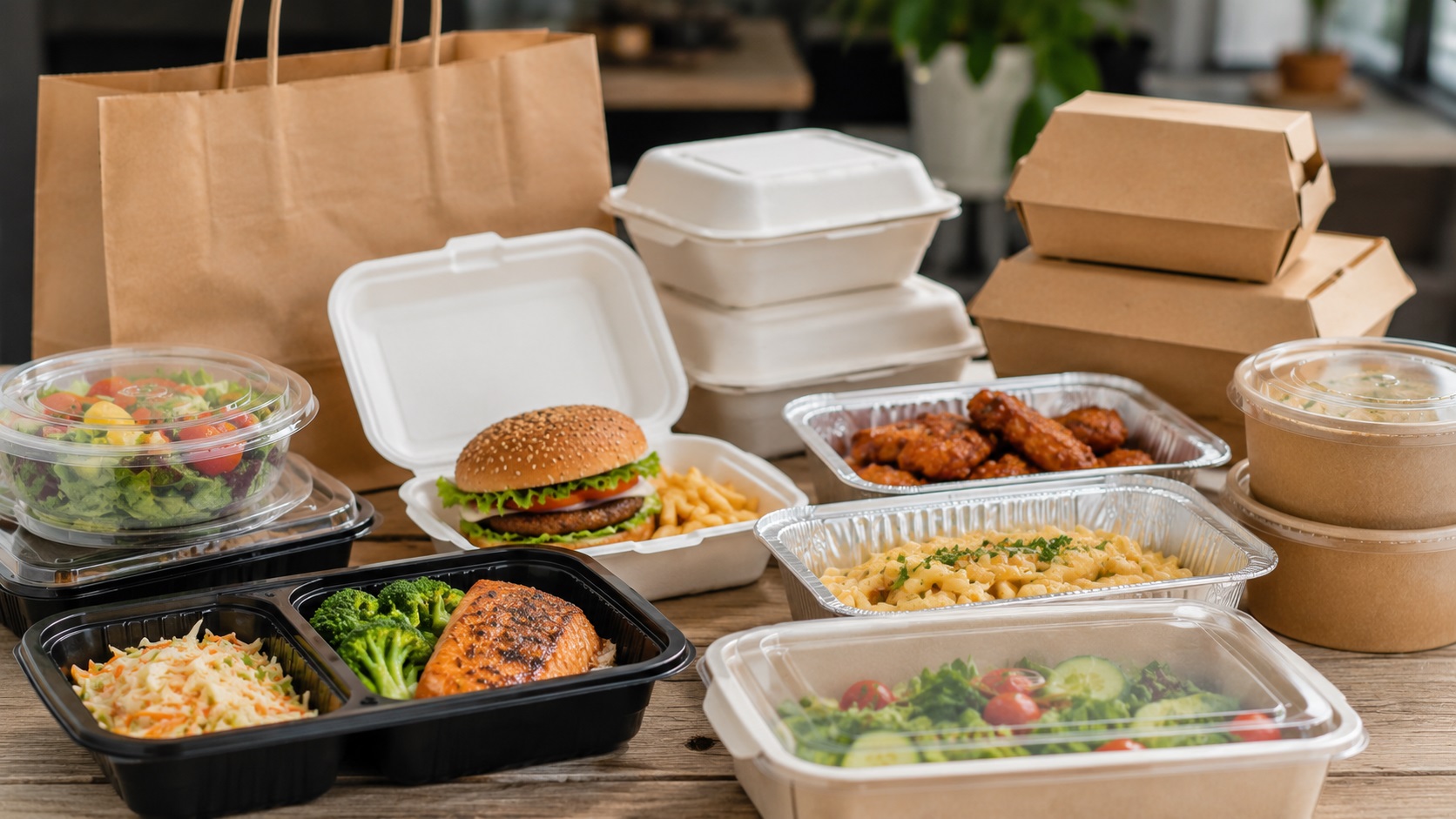
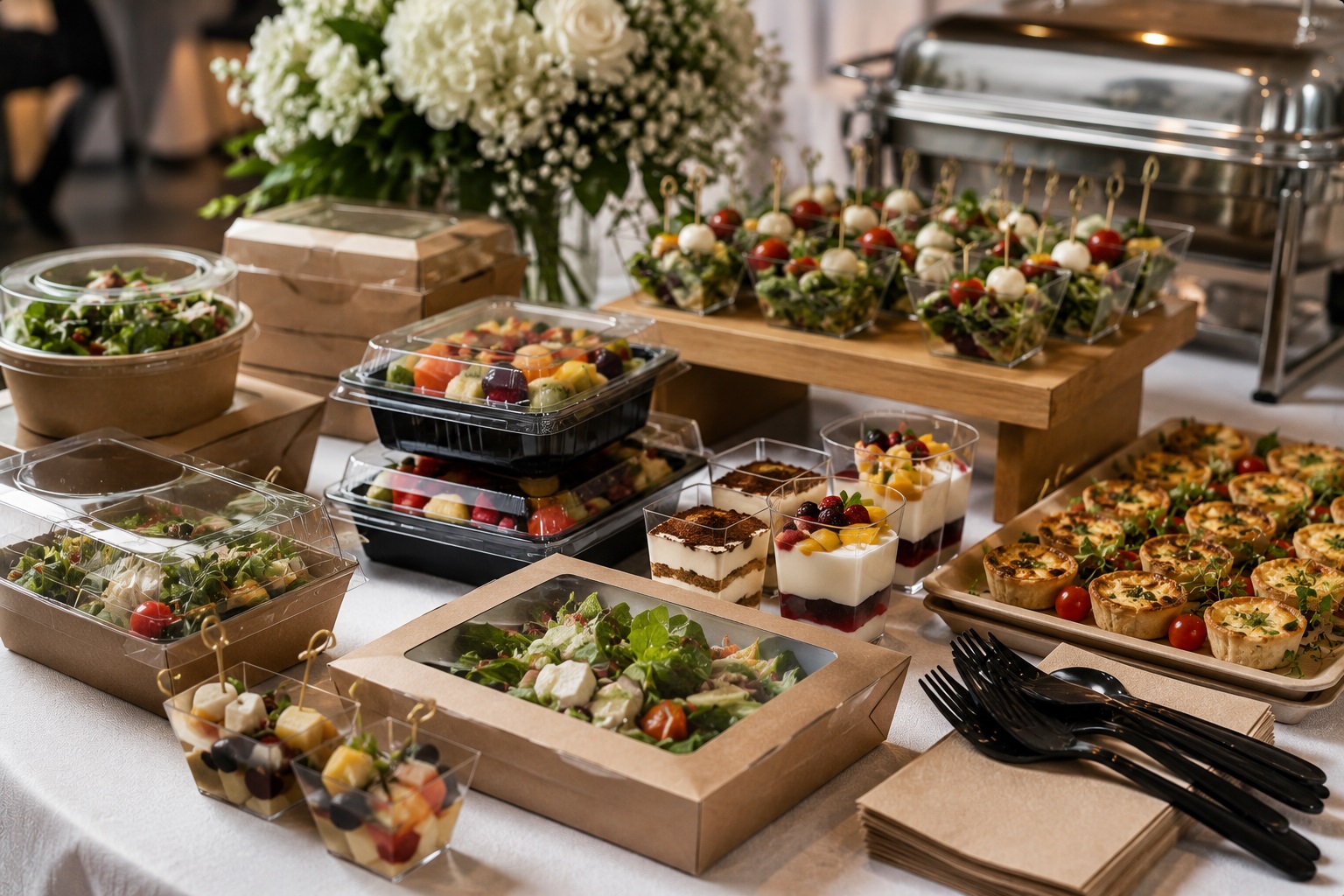
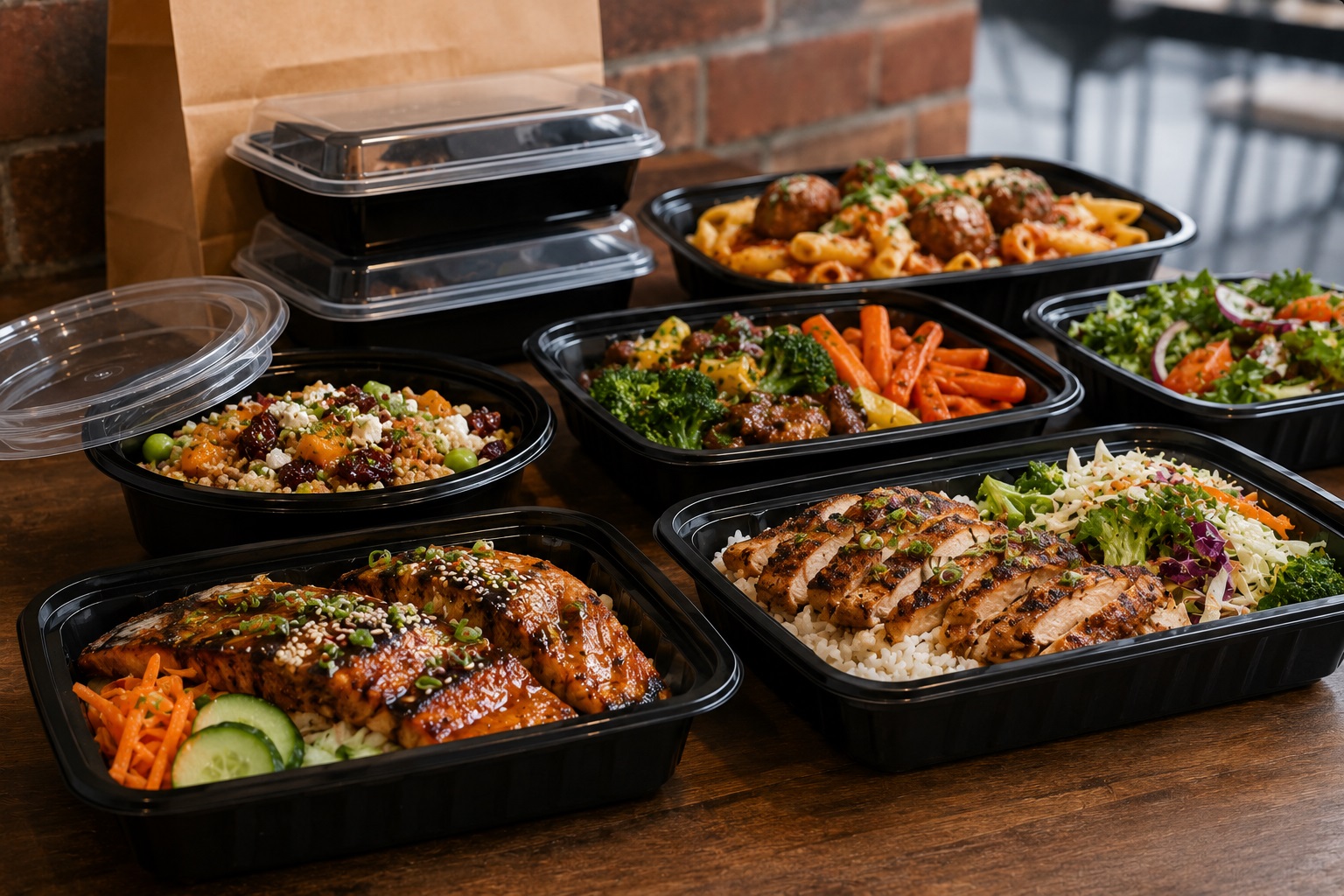
Delivering high-end meals requires more than just great cooking; it demands the right thermal barrier. When choosing catering food containers, Philadelphia caterers should look for options designed to protect both hot and cold dishes during transport.
At American Eagle Packaging, we help local food providers solve transport hurdles with durable, high-performing materials. Let’s explore how picking the ideal boxes for temperature-sensitive dishes can elevate your brand. The right choice keeps your customers coming back for more.
The Science of Temperature Isolation: Hot vs. Cold Meals
Hot and cold foods have completely opposing environmental needs during transit. Hot dishes release moisture constantly.
When steam builds up inside and cannot escape, it accumulates at the bottom of the lid. It then sweats directly back onto your food. This makes perfectly good pastry limp, turns beautifully fried skin soggy, and thins out sauces.
The exact opposite applies to chilled or cold foods. If they are not properly protected, heat and humidity can turn everything mushy and wilted. If cold food spends too long outside safe temperature ranges, food safety can become a concern.
When choosing insulated food packaging, PA caterers should look for options suited to the temperature and transport needs of each dish.
Specially designed ventilation can help release excess steam from hot food, reducing condensation while helping preserve texture.
Preventing Soggy Food and Messy Leaks
Nothing turns off a client faster than opening a delivery box to find soggy bread or a leaking corner that soaked through the bottom carton.
Choosing structural materials with grease-resistant coatings and built-in steam control is essential. It ensures a clean and professional presentation every time.
When choosing a food packaging company, Philadelphia caterers should look for suppliers that offer containers with protective interior linings.
When you use heavy-duty disposable catering containers Philadelphia delivery teams carry, you get tight-fitting, leak-proof lids that keep juices contained, helping prevent messy spills inside delivery vehicles or on client tablecloths.
Efficiency, Stacking, and Portability
When you’re transporting dozens of meals, the strength and stackability of each container matter. Flimsy boxes can buckle under weight, potentially damaging the food packed inside.
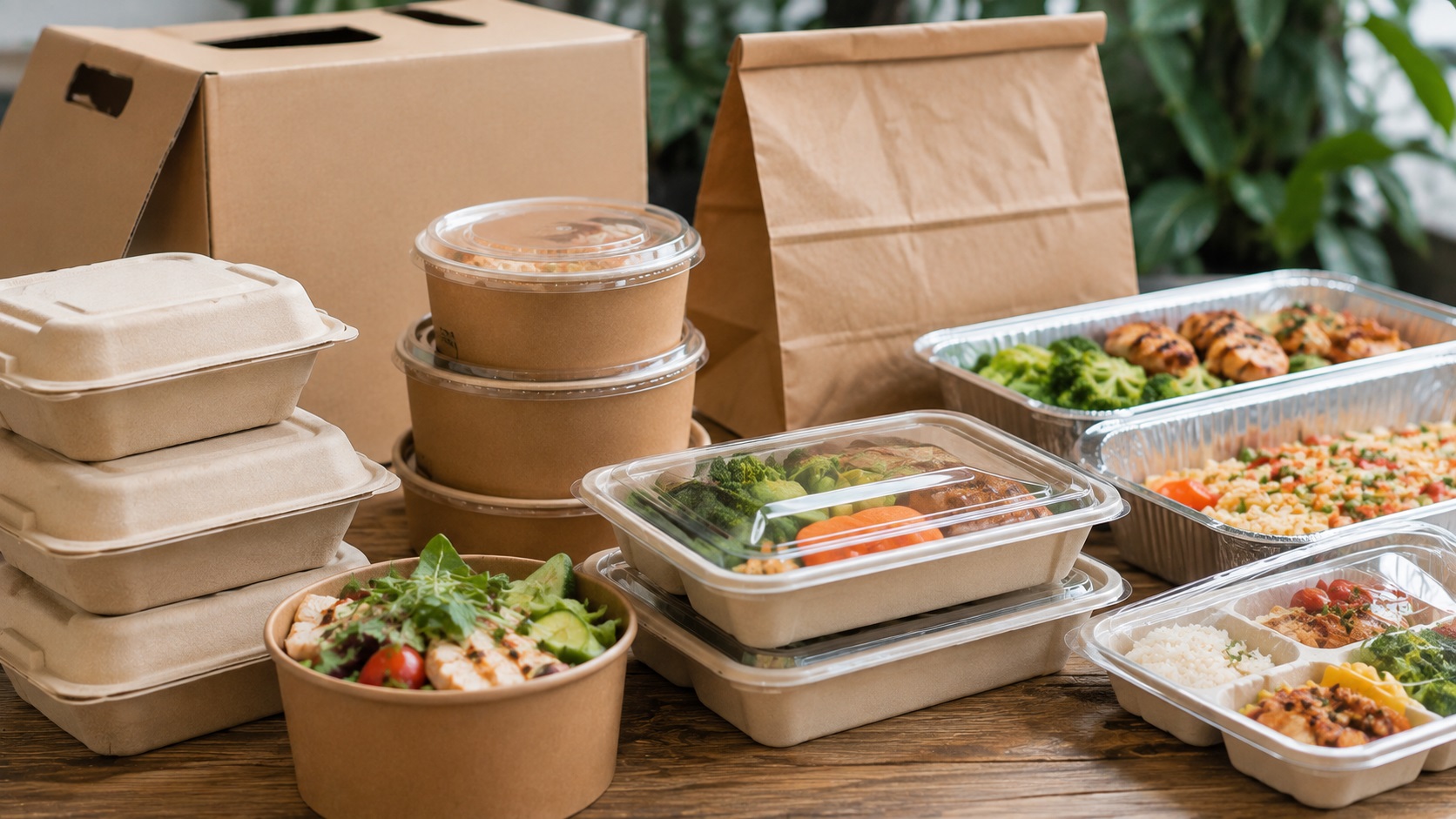
Investing in sturdy catering supplies Pennsylvania kitchens stock in bulk gives your transport team interlocking, stackable designs that maximize van space without risking structural failure.
Using consistent container sizes can also make packing and loading more organized. Staff know how the containers stack, how much they hold, and how to arrange them securely during transport.
Elevating Your Brand Image at the Event Table
High-quality catering food containers in Philadelphia that businesses use serve as a silent ambassador for your culinary brand. Beautifully presented meals in crisp, rigid containers send a clear message.
They show clients that your company pays attention to every single detail, from prep to presentation.
Choosing containers with secure, easy-to-remove lids can also make buffet setup quicker and more convenient for event staff. Your team can get everything in place without the fuss of plating and re-warming, keeping events on time and making a great impression.
Matching Box Size to Portion Requirements
Choosing the right container size is just as important as the container material. Storing a smaller amount of food in large containers will leave part of the container empty, with only air filling the gap. This causes heat to escape and lets food slide around during the journey, damaging it.
On the flip side, overpacking food into a too-small takeaway box prevents proper steam venting. It also smashes fragile garnishes underneath the lid.
Working with professional catering supplies Pennsylvania distributors gives you access to a range of half-sheet, full-sheet, and deep-dish options for different portion sizes.
Using properly sized disposable catering containers Philadelphia caterers rely on keeps food snugly in place, holds stable internal temperatures longer, and ensures every dish arrives at the venue looking exactly as it did when it left the chef’s station.
The Economic Benefit of Superior Packaging
Some caterers try to save money by choosing cheaper delivery boxes, treating packaging as an overhead cost rather than an important part of their service. In reality, inexpensive packaging can contribute to crushed presentations, leaks, temperature loss, and food that arrives in poor condition.
Partnering with a food packaging company in Philadelphia that caterers trust can also provide access to quality containers in bulk at competitive prices.
Shielding your dishes from the rigors of transportation brings clear benefits. It can mean fewer damaged orders, fewer customer complaints, and less money lost to packaging-related delivery problems.
Choosing reliable insulated food packaging PA suppliers can help protect food quality during transport and support a more professional catering experience.
Frequently Asked Questions
What should I consider when choosing carry-out boxes for catering?
Critical areas of evaluation include temperature retention, moisture control, and structural integrity. Also important are leak-proof capability and stackability. You also want to select sizes that align with your usual portioning without leaving a lot of air space.
Are the same carry-out boxes suitable for hot and cold foods?
A do-it-all container may work fine for foods that are cold but not temperature-sensitive. However, hot and cold foods usually have distinct needs. Heated contents demand breathable, well-insulated packaging to avoid excess condensation. Cold foods require packaging designed to help maintain proper temperatures during transport.
How can the right catering boxes prevent food from becoming soggy?
Some containers use strategically placed vents to release excess moisture and reduce condensation around hot foods. Grease-resistant barriers can also help prevent oils and liquids from soaking through the paperboard.
Why is box size important when packaging catered food?
The right size ensures food doesn’t shift excessively inside the box and get damaged during delivery. The right container size helps reduce excessive movement during transport and makes it easier to package portions appropriately while maintaining food quality.
Elevate Your Catering Operations with American Eagle Packaging
Your culinary creations deserve packaging that protects their flavor, heat, and visual appeal. This protection should last from the moment they leave your kitchen all the way to the first bite at the venue.
Settling for cheap, generic boxes risks customer satisfaction and your hard-earned reputation. At American Eagle Packaging, we provide high-grade catering food containers that Philadelphia food businesses rely on every single day.
Whether you need specialized insulated food packaging PA caterers rely on for winter deliveries, sturdy disposable catering containers Philadelphia event hosts appreciate, or complete catering supplies Pennsylvania kitchens need, we have you covered.
As a premier food packaging company Philadelphia restaurants trust, we deliver the quality materials you need to keep every order fresh and pristine.
Contact American Eagle Packages today to request product samples and upgrade your delivery setup!