Blog

Tag: Sustainable Packaging

The Role of a Paper Mill in Philadelphia's sustainable packaging
Business
ahmer

The Role of a Paper Mill in Philadelphia’s Sustainable Packaging Industry

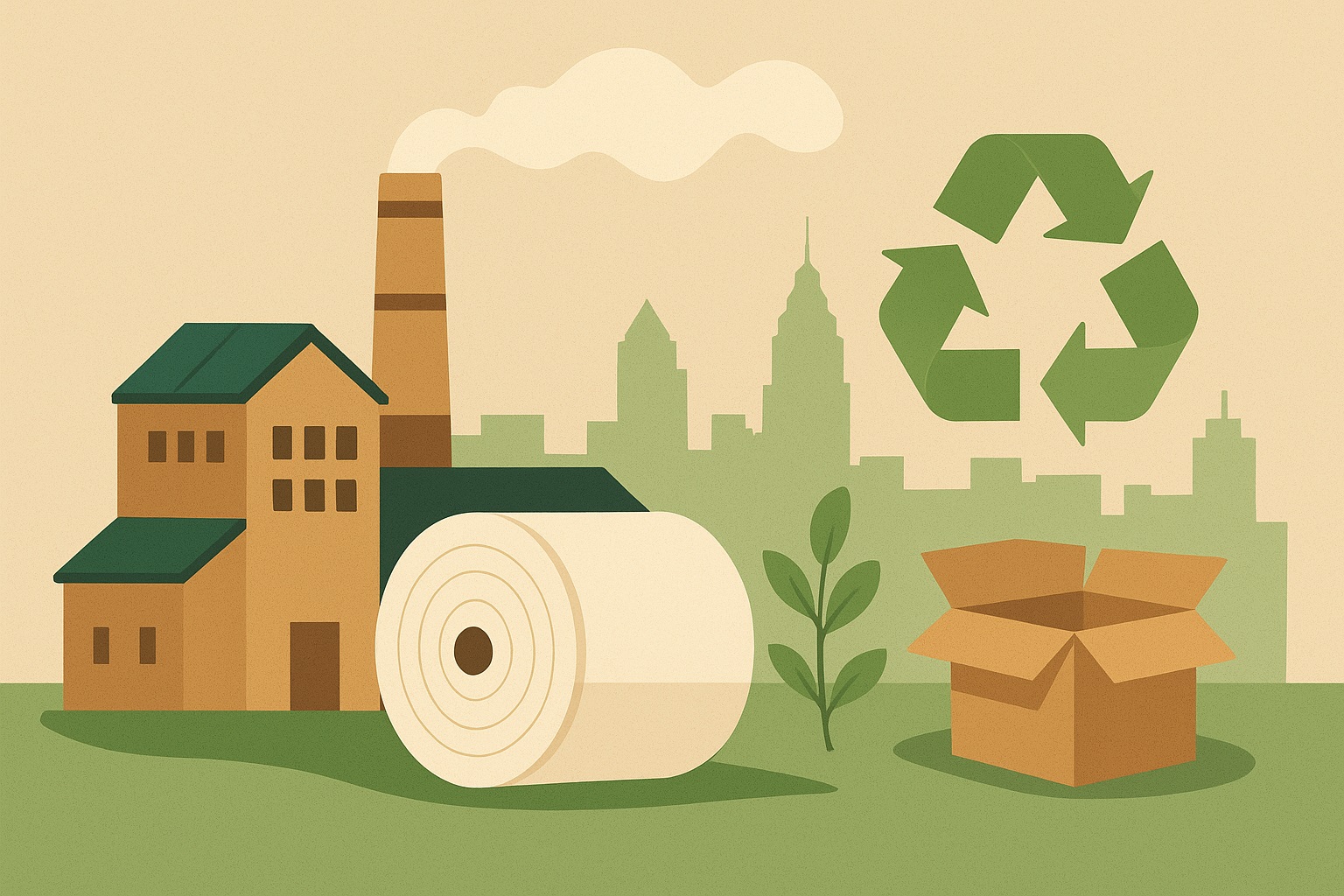
Philadelphia has always been a city of innovators and forward-thinkers. Think of the industrial grit that powered the early American economy. From shipyards to factories churning out everything under the sun. Today, that same spirit lives on in quieter ways, with the new façade of sustainable packaging world. At the heart of it all is paper mills. These modern operations of paper mills are sleek, efficient hubs turning recycled fibers into eco-friendly solutions. These steps keep our products safe without trashing the planet. If you’re in the packaging game here in Philly, or just curious about how the City of Brotherly Love is greening its supply chain, let’s dive into why a local paper mill isn’t just a relic, but a real player in the sustainable shift. Why Philadelphia’s Packaging Scene Needs Sustainable Muscle Picture this: You’re grabbing a six-pack of local brews from a corner store in Fishtown, or picking up takeout from one of those hidden gem spots in South Philly. That cardboard carrier or paper bag? It’s probably got roots in a Philadelphia paper mill. The city’s packaging industry is booming. Think e-commerce explosions post-pandemic, food delivery that’s now a daily ritual, and a push from brands to ditch plastic like yesterday’s news. But with all that growth comes pressure, how do we wrap our goods without wrapping the Earth in waste? Enter sustainable packaging. It’s not some buzzword you can use as convenience; it’s about materials that break down naturally. Ideally, use fewer resources, and cut down on the fossil fuels that heat up our climate. Philadelphia’s got a leg up here, thanks to its port access and that scrappy innovation vibe. According to recent industry reports, the U.S. sustainable packaging market is eyeing $500 billion by 2030, and Philly’s slice is growing fast. Local mills are key because they source regionally, slashing transport emissions, and they recycle at rates that make national averages look lazy, over 70% in some facilities. Local Edge: Sourcing and Circularity What sets Philly paper mills apart is that hyper-local loop. Take a mill like the one humming along the Schuylkill River. It’s pulling in old newspapers, cardboard scraps from nearby warehouses, and even agricultural waste from Pennsylvania farms. No need to ship pulp across oceans; it’s all within a truck’s radius. This cuts the carbon footprint dramatically. Every sheet they produce is designed to come right back as raw material. It’s like the city’s own recycling system, pulsing through industries. Let’s talk jobs! Because sustainability isn’t all about being green. There are more segments to it that benefit the community. These local paper mills employ hundreds of Philadelphians. They invest their resources in training folks in everything from quality control to advanced fiber tech. Tech That’s Turning Heads One game-changer? Bio-based coatings, the real genius! Traditional paper soaks up grease like a sponge, which is a nightmare for food packaging. But mills here are experimenting with plant-derived barriers. You would be surprised to hear the algae extracts or citrus peels that seal it all in without PFAS chemicals. Then there’s the water angle. Papermaking guzzles H2O, right? Not anymore. Modern mills recycle their process water up to 90%, treating it on-site and releasing cleaner effluent than what flows in from the Delaware. It’s a far cry from the polluted rivers of yesteryear. And with Philly’s commitment to the UN’s Sustainable Development Goals, these operations are aligning with city grants for green upgrades. Challenges and the Road Ahead Of course, it’s not all smooth sailing. Scaling sustainable paper means grappling with costs. Initially they sneak up on you. The recycled pulp can be pricier upfront than virgin stuff, and supply chain hiccups, like fluctuating recycling rates citywide. But if you look at the scope, in long run, it has various benefits. Philly’s mills are pushing back with advocacy, lobbying for better curbside programs and incentives for brands to go green. And let’s be honest, Consumer buy-in is huge. When folks see that “Made in Philadelphia, Fully Recyclable” stamp, it sways shelves. Looking forward, the outlook is bright. With federal pushes like the Inflation Reduction Act funneling funds into clean manufacturing, expect Philly mills to double down on automation and carbon capture. They’re not just packaging products; they’re packaging a future where Philly leads, not follows. In the end, a paper mill in Philadelphia’s sustainable packaging industry is more than a facility, it’s a thread in the city’s fabric, weaving resilience into every box and bag. Next time you’re unwrapping something shipped from here, pause and think: That might just be the sound of progress unfolding. If you’re a business owner eyeing eco-swaps or just a local foodie curious about the wrap on your cheesesteak, these mills are worth a visit. They’re proof that in the City of Brotherly Love, we’re loving the planet a little harder these days.
Why Philadelphia Hotels Trust Local Paper Companies for Their Supplies
Uncategorized
ahmer

Why Philadelphia Hotels Trust Local Paper Companies for Their Supplies

Philadelphia city with its picturesque parks, urban life, hotels, and museums, is always packed with tourists. Behind the scenes of the busy hotelier industry, in the heart of the city’s thriving hotel industry, managers are juggling check-ins, room turnovers, and that never-ending quest for reliable supplies. They are always in need of plush towels to essential paper products like toilet tissue, napkins, and office stationery. Hotels need partners they can count on. And more often than not, they turn to local heroes, the Philadelphia’s local paper companies, who’ve been keeping things running smoothly for decades. In a city where hospitality is as much a part of the culture as brotherly love, local paper suppliers aren’t just vendors; they’re lifelines. Importance of Local Vendors Let’s break it down. First off, speed is everything in the hotel game. Imagine a packed weekend during the Philadelphia Flower Show or an Eagles game, rooms are flipping faster than the flick of an eye. If a hotel runs low on toilet paper or facial tissues, it’s not just an inconvenience; it’s a potential review-killer on TripAdvisor. Local suppliers shine here because they offer lightning-fast delivery. No waiting on cross-country trucks bogged down by weather or logistics nightmares. A quick call to a Philadelphia paper company, and boom, your order’s at the loading dock by afternoon. It’s that kind of reliability that builds loyalty. Then there’s the quality factor. Hotels aren’t looking for cheap, flimsy stuff that falls apart after one use. Guests expect that soft, durable tissue in the bathroom or those sturdy napkins at the breakfast buffet. Philadelphia’s local paper companies, like American Eagle Packaging Co Mills, specialize in eco-friendly, high-grade products made from recycled materials. They’re all about sustainability without skimping on performance. In the times when green credentials matter, think LEED-certified hotels popping up everywhere. Ideally, sourcing from local outfits helps hotels reduce their carbon footprint. Reducing the Expenses If you are cutting down on distances in transportation, it means fewer emissions. For any industry, that’s a huge win. You know what going local often means? Better deals without the hidden fees!   National chains might lure you with the offers of bulk orders. But if you add in shipping, tariffs, or unexpected surcharges, it adds up. And think of the delays that no one can anticipate. Now look at the local Philadelphia paper company suppliers. They cut through that extra noise with competitive rates tailored to the market. Additionally, they know Philly’s economy inside out. The ups and downs of tourism seasons, the impact of conventions at the Pennsylvania Convention Center, they have done it year after year.   Customization  The local ones are always open to customization. Need branded cocktail napkins for a wedding reception? Or specialty tissues for allergy season? These guys can tweak products to fit your vibe, whether it’s a luxury vibe at the Four Seasons or a cozy feel at an indie inn in Fishtown. The beauty of community is in uplifting each other. In fact, for local events, everyone is in the spirit of community and offers great deals and discounts on customization.  Creating Jobs for the Community There is bigger work in play: community ties. Philadelphia hotels aren’t islands; they’re woven into the fabric of the city. They work alongside the community, addressing the problems of the city as their own. By partnering with local paper companies, they’re supporting jobs right here in town. If you look at the bigger picture, factories in North Philly or along the industrial corridors employs locals, paying taxes that fund our schools and parks. It’s a ripple effect. And in a post-pandemic world, where supply chains got shaken up like a snow globe, that local resilience proved invaluable. When global shortages hit, Philly’s hotels leaned on their nearby suppliers to keep the lights on (or at least the bathrooms stocked). American Eagle Packaging Co Company ǀ Envoi of Town  Being in town for years, American Eagle Packaging Co Company has managed to help many hotels with their orders at the 11th hour. In a world of faceless online orders, sticking with local suppliers reminds us of the human element. Hotels trust them because they’ve earned it through years of consistent service. Moreover, they are sure about the quality of products and understanding the unique challenges of operating in a historic, fast-paced urban hub. In the end, it’s about more than paper. It’s about building something lasting in a city that’s always evolving. Philadelphia hotels know this, and that’s why they keep coming back to their local trusted sources.

From Trees to Tech
Uncategorized
ahmer

How Sustainable Paper Products Powers the Digital Age

For centuries, homes, schools, offices, and businesses have relied on paper as a vital part. People use paper as an integral element in packaging, printing, hygiene, and supplies. However, it’s broad application is raising environmental concerns. The adoption of eco-friendly paper products is one of the many strategies to address the pressing ecological challenges. The efforts have compelled businesses and consumers to transition towards sustainable solutions. In recent developments, the recyclable paper is becoming increasingly popular in the education, communication, and innovation sectors. This guide highlights how the green paper, with its versatile deployment, empowers the digitally interconnected world. What Deems Paper as being Sustainable? The paper products are manufactured, utilized, and discarded using methods that minimize environmental impact and ecological footprint. Certification systems of each jurisdiction verify that every paper company follows the guidelines of sustainability. The framework includes: Environmental Responsibility Social Responsibility Economic Responsibility The Different Choices of Sustainable Paper Products Recycled Paper Consumers or industries repurpose discarded materials, scraps, and waste. They mitigate the need for newly-extracted materials and put residuals destined for landfills to use. Tree-Free Paper The sustainable packaging and products are made from plant-based fibers or wood pulp. The typical origins include bamboo, hemp, sugarcane, cotton, or agricultural by-products. These low-impact crops grow rapidly and decompose through natural processes. Unbleached Paper The manufacturing procedure avoids chlorine for bleaching. The paper company incorporates techniques that minimize harmful dioxin emissions and water pollution. Biodegradable Paper The biodegradable paper breaks down naturally into non-hazardous organic substances. This paper product is an ideal choice for businesses seeking sustainable packaging solutions for food and merchandise. The Coexistence of Sustainable Paper and Pixel Defying expectations, paper continues to hold its ground alongside the digital revolution. The only difference that sets the paper apart today from its former self is its implementation. Hybrid Work Models In professional settings, many people are combining both digital and printed formats. The printed content enhances readability, facilitates understanding, and improves focus. Fusion of Digital Tools Sustainable paper is now infusing scannable technologies like Barcodes, QR codes, and AR interfaces. Documentation and Legal Validations The major drawback of soft copies is that they can be easily altered or lost. However, paper documentation has authenticity and long-term preservation. It is better to have a physical backup of certificates, important contracts, and medical records. Packaging for Online Retail The global acceptance of eco-friendly practices has streamlined the shipping protocols across borders. The standardized sustainable packaging allows the retailer to invest in similar materials and enables cost-cutting. Corrugated boxes and packaging materials made from reclaimed paper reduce plastic pollution. Now, brands are merging simplicity and sleek designs into their product presentation. This enhances unboxing experiences while aligning with eco-conscious values. Intellectual Rewards The digital platforms are increasingly becoming a part of educational and artistic domains. However, paper is still highly demanded for being compiled into notebooks, textbooks, and worksheets. Also, printouts and handouts assist educators and students in digital classrooms. Moreover, the journals, sketchbooks, and planners make things manageable for researchers, artists, and fellow specialists. Environmental and Health Benefits Extended digital exposure comes with consequences. The challenges include screen fatigue and eye strain. Additionally, the obsolete technologies lead to an increase in electronic waste. Comparatively, paper is a much gentler medium. It does not impose any adverse effects on cognitive or visual health. The materials can be up-scaled many times before losing their quality and are highly biodegradable. Breakthroughs in Paper Making With the advancements in science, paper products are turning into smarter items. Some have sensors or electronic inks embedded in them. While others are edible and can be dissolved. Corporate Practices and Disclosure The ecologically aware consumers prefer companies that incorporate green practices in their operations. They shop from retailers who offer sustainable bags, labels, and print marketing. Hence, the organizations are now seeing these approaches as a promotional edge for their brand.  An Innovative Paper Company All the packaging solutions at American Eagle Packaging Co Company Inc. are environmentally friendly. Our certified products meet the highest standards for top performance. You can trust the team to handle all your details with precision and care.

Smart and cost-effective packaging strategies for efficient and sustainable solutions
Small Business Tips
ahmer

Cost-Effective Packaging Strategies

In the modern competitive business environment, packaging is not merely an aesthetic aspect; it is vital for product protection, brand awareness, and customer satisfaction. However excessive packaging costs can erode profit margins, and thus, businesses need to seek cost-efficient packaging solutions. Choose Affordable Packaging Solutions One of the simplest cost-cutting measures is to switch to cost-friendly packaging solutions that do not mean compromising on quality. Rather than using premium or bespoke packaging for all products, companies can seek more economical alternatives. Standard packaging reduces manufacturing and storage costs, while light-weight materials like corrugated cardboard or bioplastics lower shipping costs. Versatile packaging forms, like pouches and vacuum-pack bags, are also less material and space-intensive and hence a cost-effective option. Leverage Wholesale Packaging Materials Purchasing wholesale packaging materials is a proven strategy for cutting costs. Purchasing in bulk enables companies to take advantage of economies of scale, making the per-unit cost cheaper. In order to maximize wholesale packaging procurement, companies should work with trustworthy suppliers in order to get a better deal. Selecting packaging materials that give discounts for bulk orders and considering alternative suppliers can also help save money. Sourcing directly from manufacturers to eliminate unnecessary middlemen also minimizes costs. Adopt Sustainable Packaging Alternatives Sustainability is more than a buzzword; it is a realistic means of decreasing packaging expenses in the long term. Sustainable packaging options tend to be lightweight, recyclable, and inexpensive. Companies can integrate recyclable content, biodegradable or compostable packaging, and minimal designs to decrease manufacturing and disposal costs. Promoting reusable packaging also reduces waste and increases customer brand loyalty. Optimize Packaging Design to Reduce Costs A carefully considered package design can play a huge role in material costs and efficiency. Cutting packaging expenses begins with right-sizing packaging, which means that boxes and containers are sized just right to eliminate material waste and shipping costs. Multi-functional packages that perform a dual function, like storage or promotional purposes, can add value without extra cost. Digital printing also provides greater flexibility and less expensive branding options than traditional methods. Improve Supply Chain Efficiency An efficient supply chain management system ensures that packaging costs remain under control. Optimizing the supply chain helps businesses minimize waste, storage costs, and unnecessary expenditures. Automated packaging systems reduce labor costs and increase packaging speed, while just-in-time (JIT) inventory management helps keep packaging inventory lean, reducing storage costs and preventing waste from outdated materials. Strategic supplier partnerships that offer flexible pricing and timely deliveries also prevent disruptions and excess costs. Reduce Shipping Costs Through Smart Packaging Shipping costs tend to be an invisible expense of packaging. Companies can minimize shipping costs by utilizing light packaging materials to reduce weight in transport and choosing tight, space-saving designs that limit dimensional weight charges. Consolidation of shipments also saves on individual packaging requirements, thus resulting in total cost reduction. Utilize Digital Technologies for Packaging Optimization Technologies like AI-based packaging optimization software and 3D printing have the potential to slash costs by a great deal. AI-based packages of software assist companies in studying packaging efficiency, minimizing wastage, and more accurately anticipating future packaging requirements. 3D printing facilitates instant prototyping and customization, which lowers mold manufacturing costs and saves on unnecessary use of excess materials. Deploying digital technologies provides cost reduction along with top-class packaging. Train Employees on Cost-Effective Packaging Practices Employee training is essential in maintaining low packaging costs. The employees should be trained on cost-effective packaging methods, minimizing wastage, and effective handling of materials. Training the employees regularly enhances efficiency, reduces errors, and encourages a cost-saving culture within the company. Implement Returnable Packaging Systems Returnable pack systems, which include reusable boxes and containers, can assist enterprises in reducing packaging costs in the long run. These systems suit industries that require large shipments to be handled on a regular basis, including retail, logistics, and manufacturing. With the help of long-life returnable packages, companies reduce the use of disposable materials, thus saving more money. Monitor Packaging Performance and Make Data-Driven Decisions Firms must regularly monitor packaging performance using KPIs such as material cost, waste level, and shipping efficiency. Using data analytics, firms can identify areas of optimization and make informed decisions about packaging design, material choice, and supply chains. Regular performance monitoring ensures constant cost savings and process enhancement. Conclusion Implementing cost-effective packaging solutions requires a strategic approach that balances affordability, efficiency, and sustainability. By leveraging affordable packaging solutions, investing in wholesale packaging materials, adopting sustainable packaging alternatives, and focusing on efficient supply chain management, businesses can significantly reduce packaging costs while maintaining product integrity and customer satisfaction. Smart packaging strategies not only save money but also contribute to a greener and more sustainable future.  

Are Fiber-Based Containers Truly Sustainable?
Fiber-Based Containers
ahmer

Are Fiber-Based Containers Truly Sustainable?

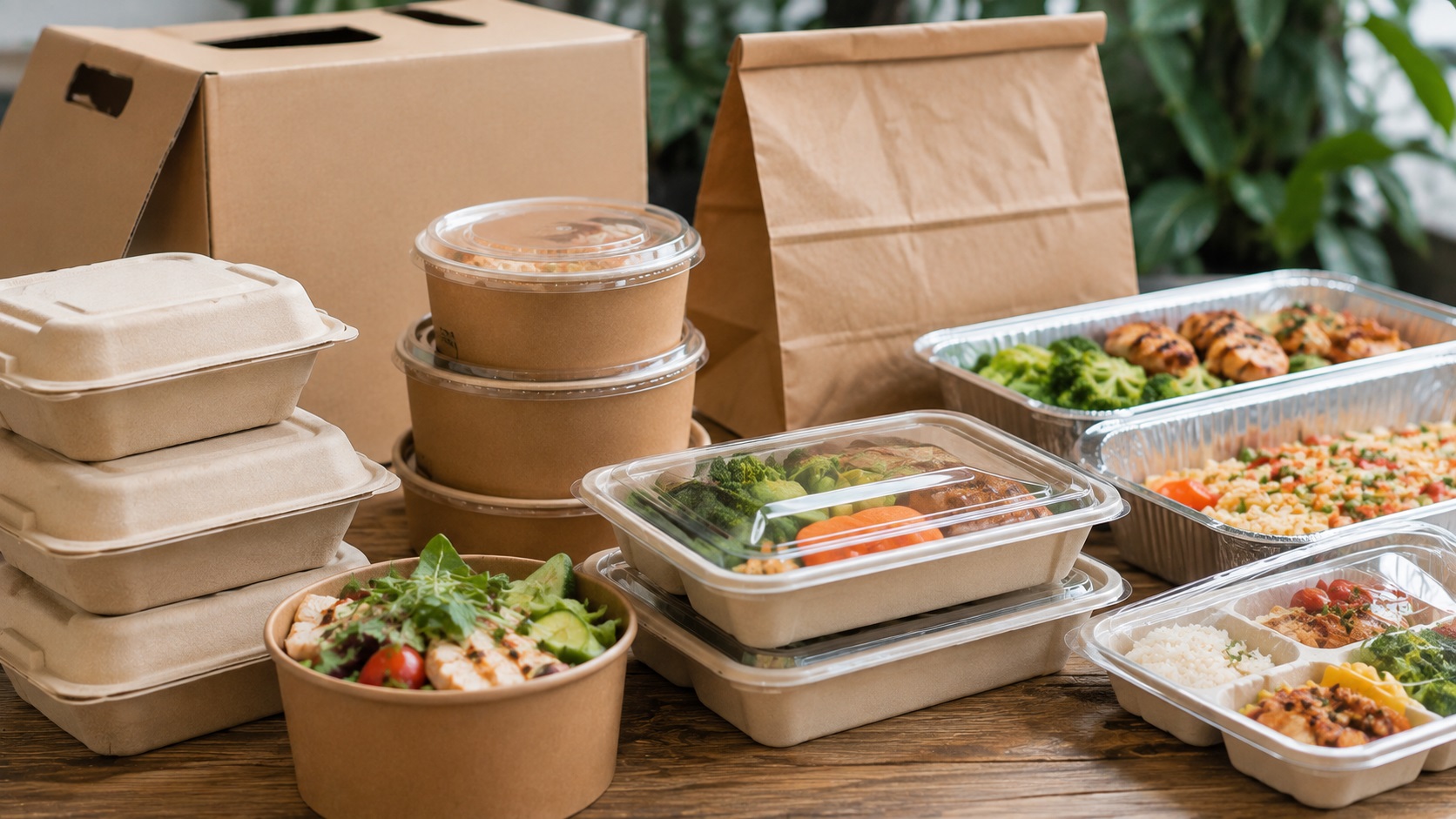
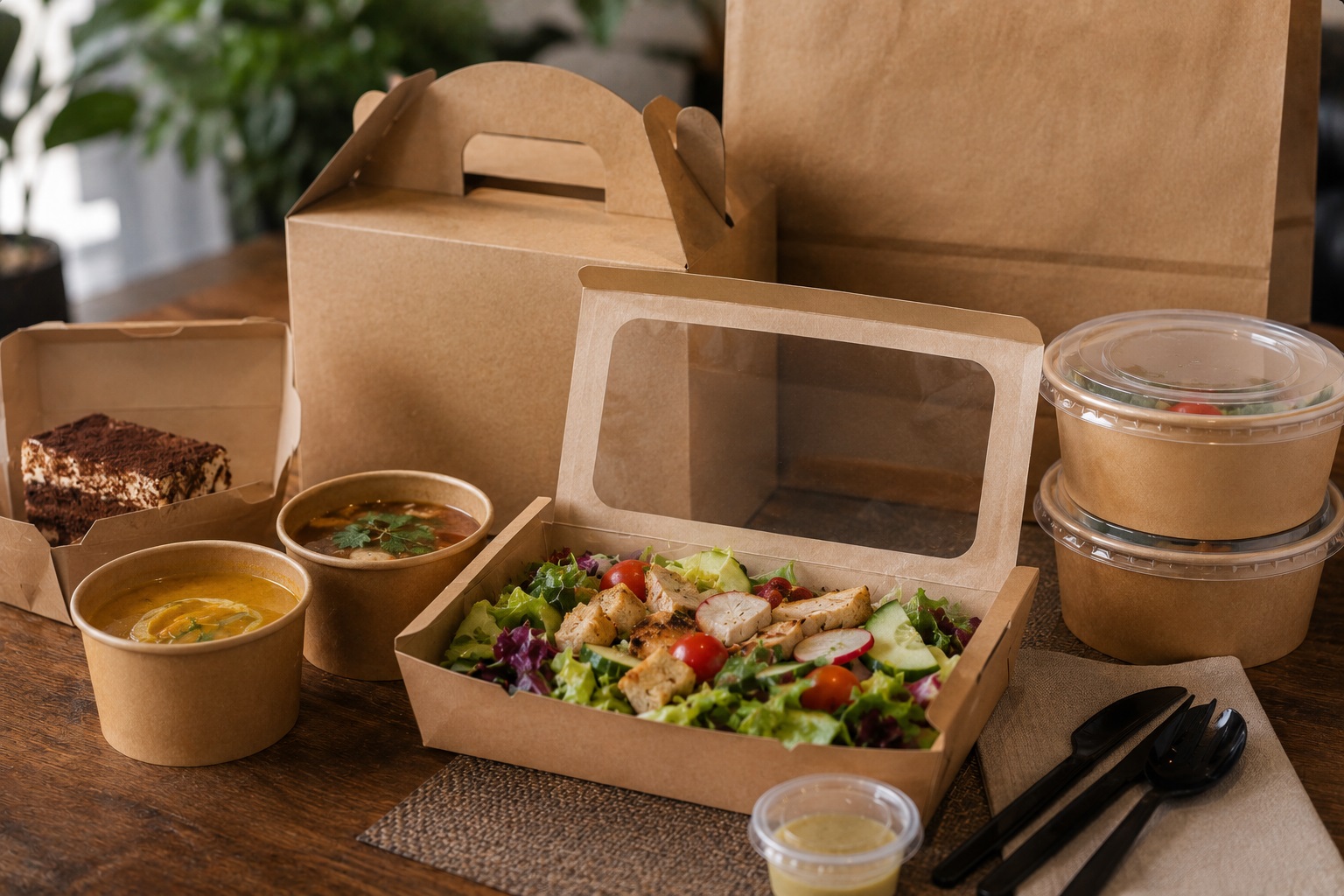
Are Fiber-Based Containers Truly Sustainable? Let’s Unpack the Truth In an era dominated by environmental concerns, businesses, and consumers are turning to more sustainable packaging options. Among these, fiber (biodegradable) containers have gained immense popularity. But the question remains: Are these containers truly as sustainable as they seem? Let’s look into the traits, advantages, and disadvantages of fiber-based containers to know their true effect on the environment. The Emergence of Fiber-Based Containers Eco-friendly packaging alternatives come in fiber containers, which consist of natural materials from wood pulp, bamboo, or agricultural by-products. Their biodegradable and compostable properties create a good reason to replace the long-scorned, traditional plastic packaging, which has been against the environment. As most consumers create a demand for environmentally friendly products, industries such as the food and beverage industry have taken it upon themselves to embrace sustainable food container materials like fiber-based materials. What Makes Fiber Containers Sustainable? This makes fiber containers different from plastic ones, which would take hundreds of years to break down. On the other hand, fiber containers break down in a few months when the conditions are right. Many fiber containers are recyclable, so the material will get a second life instead of being sent to a landfill. This promotes a circular economy, where resources are reused instead of being wasted. The raw materials used to create fiber containers, such as wood pulp or agricultural waste, are renewable. When sourced responsibly, these materials minimize the depletion of natural resources. The production of fiber-based containers generally produces fewer greenhouse gases compared to plastic. When renewable energy is used during the process, it is usually less harmful. In combination, these attributes make fiber containers a potential solution for reducing environmental harm. The Environmental Impact of Fiber Containers However, the sustainability of fiber containers is not without challenges; their benefits are undeniable. It’s essential to examine their full life cycle—from production to disposal—to understand their environmental impact. Sourcing raw materials like wood or bamboo can strain ecosystems if not managed sustainably. Overharvesting forests or monoculture bamboo farming can lead to habitat destruction, soil degradation, and biodiversity loss. Although fiber containers are generally less energy-intensive to produce than plastics, their manufacturing still requires significant energy and water. Employing renewable energy and water recycling systems can mitigate these impacts. While fiber containers are biodegradable, they require specific conditions to break down effectively. Composting facilities are not universally available, and if these containers end up in landfills, they decompose anaerobically, producing methane, a potent greenhouse gas. In addition, contamination from food or liquids can make fiber containers not recyclable, limiting their potential to be reused. Are Fiber-Based Containers a Viable Solution? Fiber containers represent a significant step in reducing the reliance on non-renewable and harmful materials like plastic. However, their sustainability is contingent on several factors. Ensuring that raw materials are harvested sustainably is crucial. To fully leverage the advantages of fiber-based containers, strong composting and recycling systems must be in place. Investments in such infrastructure may improve the performance of biodegradable and compostable packaging. Educating consumers on appropriate disposal methods is essential. For example, communicating to users that some fiber containers are compostable only in industrial facilities can prevent them from being mistakenly thrown into regular trash bins. Advances in material science can improve the functionality of fiber containers while reducing their environmental footprint. For example, creating containers that are both grease-resistant and compostable can increase their usability in various sectors. The Future of Sustainable Packaging Alternatives The increase in demand for alternative eco-friendly packages is where future sustainable packaging can be shaped through fiber-based containers. However, fiber containers don’t cure it all. They need to be combined with other materials in sustainable food containers and must have a major investment in refined waste management systems to make a real positive difference. In addition, businesses need to take a broader view considering the whole lifecycle impact of their packaging. By doing so, they can ensure that their shift to fiber-based containers genuinely contributes to reducing environmental harm. Conclusion Fiber (biodegradable) containers are indeed a promising substitute for traditional plastics. Their characteristics, being recyclable and made from renewable materials, put them in a very competitive position in the struggle against pollution and climate change. Their sustainability, however, will depend on how responsibly they can be sourced, disposed of properly, and further innovated. As we progress, embracing a multi-faceted approach to sustainable packaging alternatives will ensure that fiber containers live up to their potential as eco-friendly solutions.