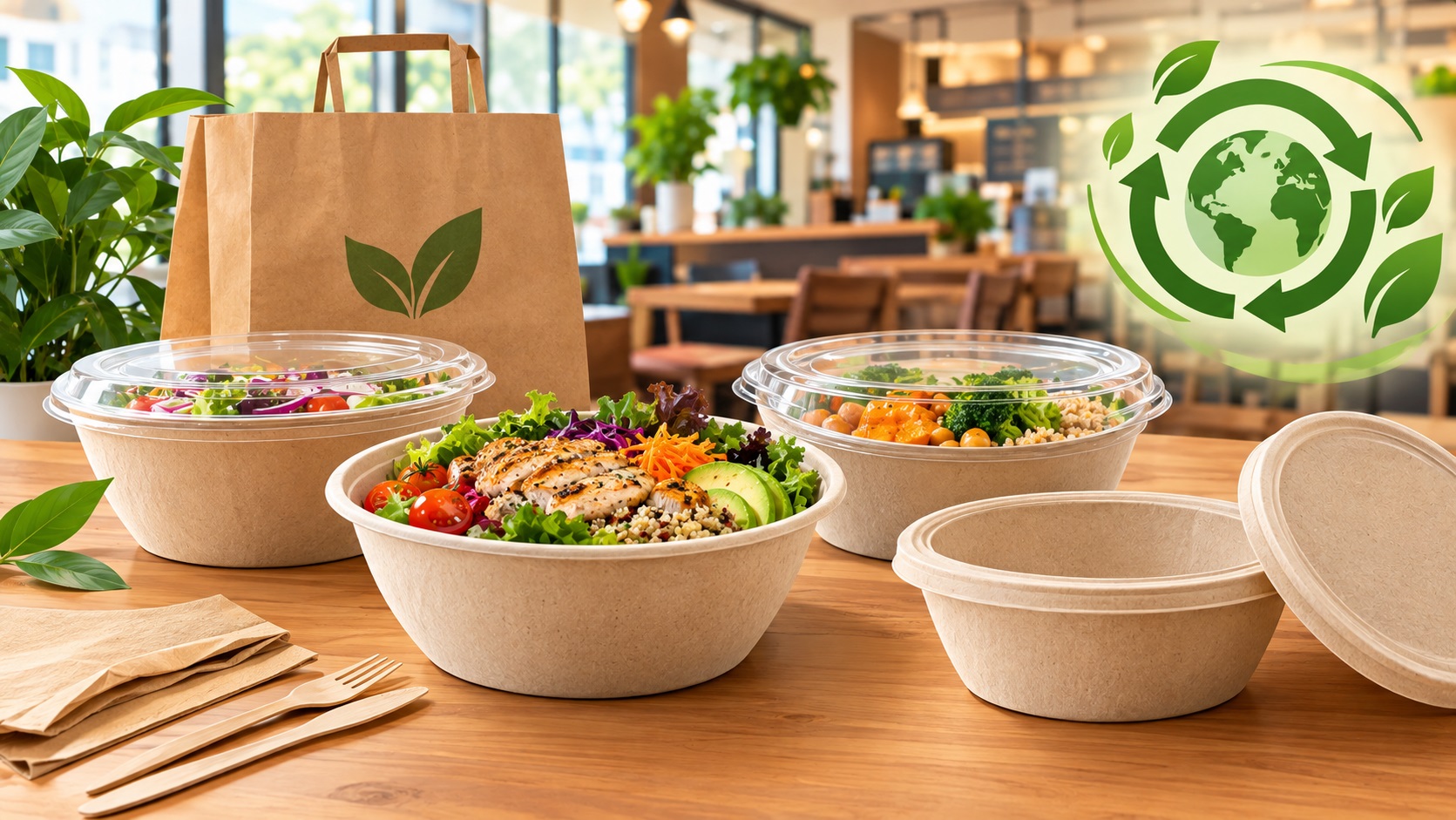

How Fiber Bowls Support Sustainable Food Packaging for Restaurants
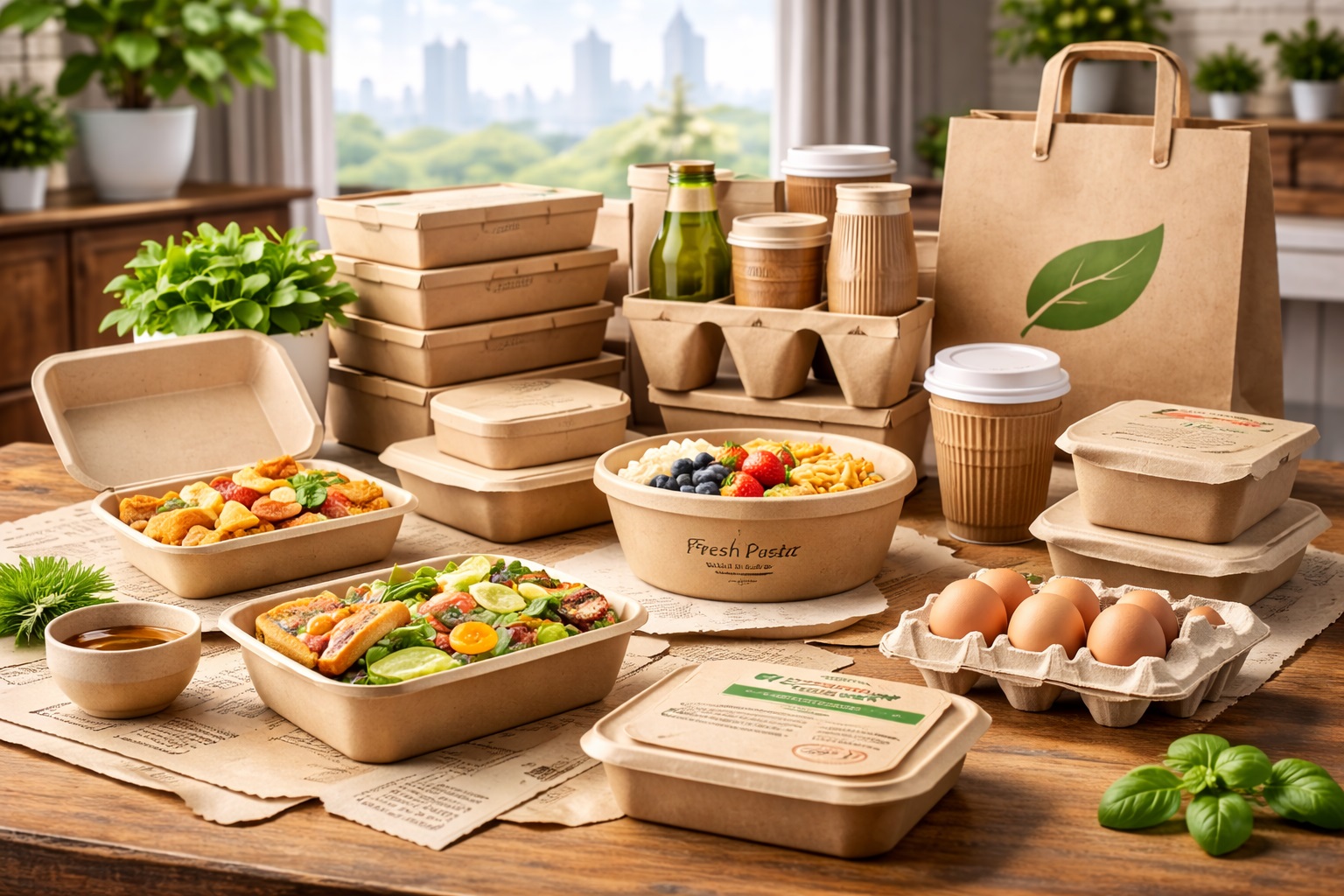
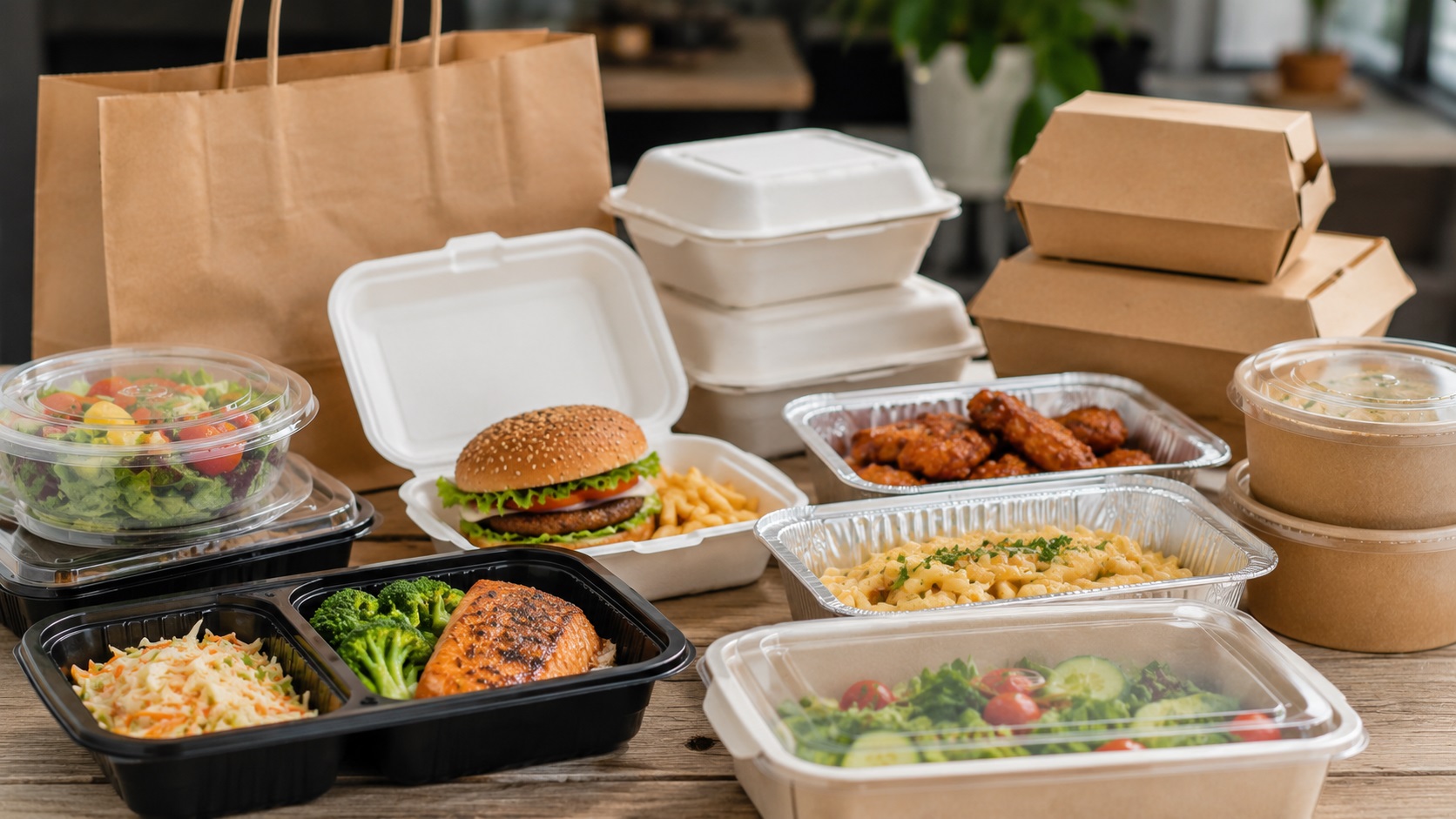
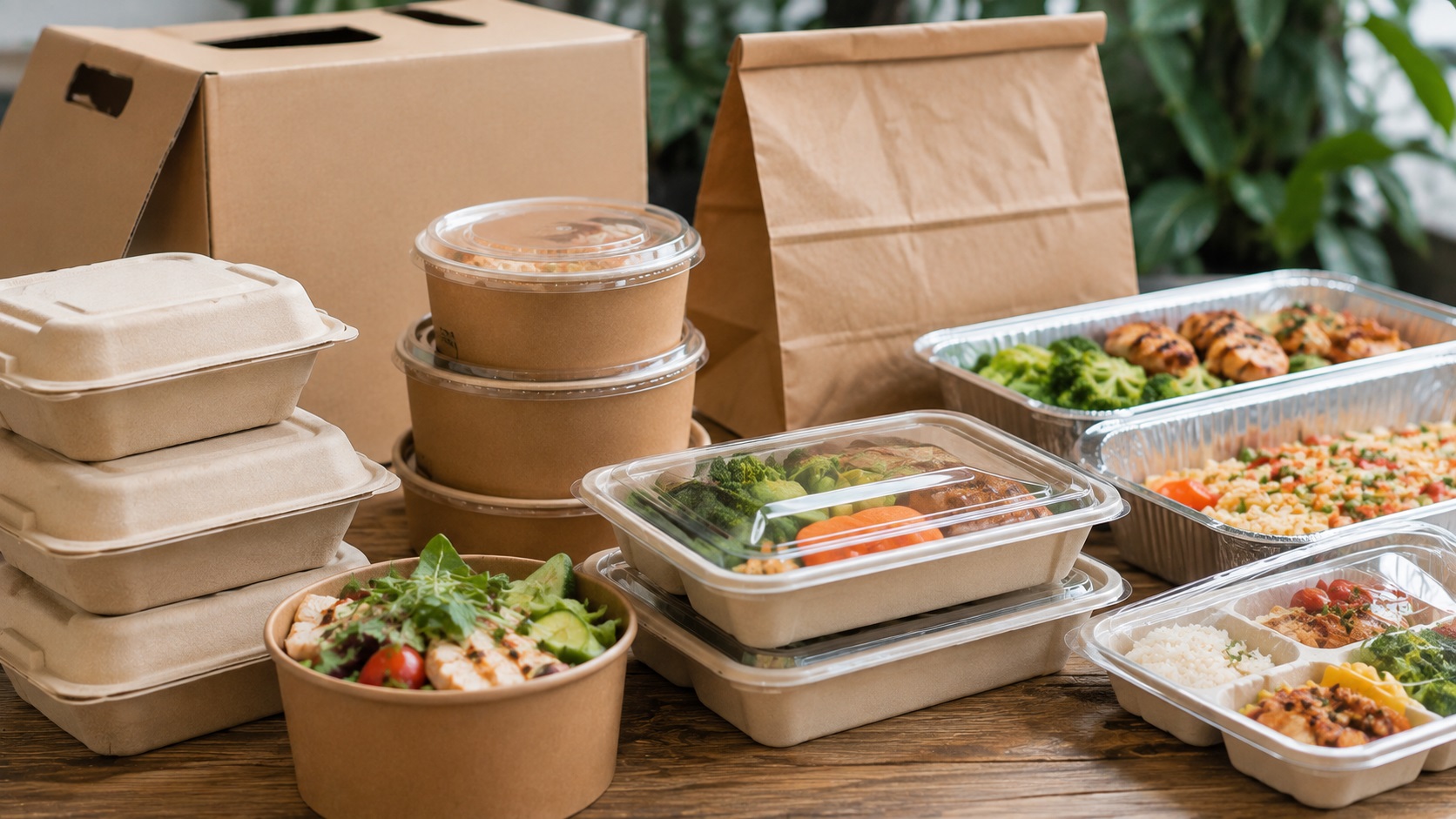
A customer scrolling through delivery apps today notices packaging just as much as the food itself. Currently, restaurants clinging to plastic containers are quietly losing ground to competitors who have already switched. Fiber bowls Philadelphia restaurants are adopting right now to solve this problem directly. If you are a restaurant owner and want to position yourself on the consumer-favorites list, you need to join the wave of change. Here is why this shift is happening so fast and what it actually means for your business. Why Restaurants Are Making The Switch Right Now The numbers tell a clear story. The sustainable packaging market is projected to grow by over 11 percent annually through 2026. It is not a passing trend; it reflects a genuine shift in what customers expect on their table. Also, regulations keep tightening around it too. PFAS free compliance has become a serious procurement priority, and plastic bans continue spreading across states and municipalities. Henceforth, it is good to shift to sustainable food packaging Philadelphia. The changeprotects them from scrambling later once local regulations catch up. In addition, packaging has become a visible part of brand identity. Premium fiber bowls, especially those with custom branding, are growing faster than basic institutional options. Because customers associate sustainable packaging with a more thoughtful, higher-quality operation, this shift genuinely helps restaurants stand out. Curious how your current packaging choices actually compare to what customers now expect. A quick review of your current supplier options often reveals more room for improvement than most owners realize. What Makes Fiber Bowls A Real Sustainable Alternative Fiber bowls typically come from sugarcane bagasse or other plant-based materials. They break down through composting instead of sitting in a landfill for centuries. Because bagasse comes from agricultural waste rather than virgin materials, production itself carries a much lighter environmental footprint than plastic. Compared to conventional plastic bowls, bagasse containers cut carbon emissions by up to 70 percent across their full lifecycle. The environmental benefit runs from the raw material stage all the way through disposal. It does not stop at the moment a customer throws the container away. However, real sustainability requires context too. Fewer than one in five American households have access to commercial composting facilities. So, biodegradable bowls Philadelphia will not always break down as intended unless disposed of properly. Pairing fiber bowls with genuine customer education about proper disposal matters. Because of this, real environmental impact depends on more than the material alone. Additionally, compostable food bowls PA restaurants choose should carry recognized certifications like ASTM D6400. This confirms the material actually meets verified standards, not just vague marketing claims. Which Restaurants Benefit Most From Fiber Bowls Almost any restaurant serving food in bowls can benefit here. A few categories see especially strong results, though. Poke restaurants and grain bowl concepts rely heavily on bowl packaging daily. This makes the switch immediately visible to every customer who orders. Fast casual restaurants handling high volume delivery and takeout also benefit significantly. Modern fiber technology now includes water-based barrier coatings. Because of this, these bowls handle grease, moisture, and heat far better than older paper packaging, making them suitable for hot entrees too. Meanwhile, catering companies and food trucks find fiber bowls practical too. They hold up well during transport without the leak issues that plagued earlier compostable options. Whether you run a restaurant with dine-in and takeout service or a kitchen focused only on delivery, fiber bowls likely fit somewhere into your operation. What To Consider Before Choosing Your Fiber Bowls Not every fiber bowl performs the same way. A few factors deserve real attention before switching suppliers. First, check heat and moisture resistance specifically for your menu. A bowl holding cold salad has very different requirements than one holding hot soup or a saucy entree. Additionally, confirm PFAS-free certification directly with your supplier. This has become a genuine procurement standard, not an optional extra. Some products marketed as environmentally friendly still contain these chemicals. Because of this, verifying the details protects both your customers and your business reputation. Cost matters too, though the gap between fiber and plastic packaging has narrowed considerably as production scales up. Always compare real pricing from a dedicated restaurant packaging supplier Philadelphia businesses trust. Volume discounts often reveal better value than expected. Bringing Sustainable Packaging Into Your Restaurant Fiber bowls genuinely help restaurants meet growing customer expectations. They also reduce reliance on plastic packaging that regulations increasingly restrict anyway. From poke shop to full-service restaurant, this shift protects your brand reputation while cutting real environmental impact. American Eagle Packaging Co. supplies eco-friendly food containers Philadelphia restaurants depend on. Every product comes backed by real certifications and performance testing. Ready to see how fiber bowls fit into your operation. Reach out today and let our team help you make the switch. Frequently Asked Questions Are fiber bowls a sustainable alternative to traditional food containers? Yes, fiber bowls made from materials like sugarcane bagasse break down through composting. They also carry a significantly smaller carbon footprint than plastic. Proper disposal access still affects real world impact, so certification and customer education both matter. What types of restaurants can use fiber bowls? Poke shops, grain bowl concepts, fast casual restaurants, catering companies, and food trucks all benefit from fiber bowls. Modern coatings now handle hot, greasy, and moist foods, expanding use well beyond cold salads alone. What should restaurants consider when choosing fiber bowls? Restaurants should check heat and moisture resistance for their specific menu. Confirming PFAS free certification and comparing real pricing across suppliers matters too. Recognized compostability certifications like ASTM D6400 also matter for genuine sustainability claims. Can fiber bowls help restaurants reduce their reliance on plastic packaging? Yes, fiber bowls directly replace plastic across most bowl-based menu items. This covers everything from cold salads to hot entrees. This reduces plastic waste while also preparing restaurants for tightening packaging regulations already spreading across many states.