
How to Choose the Right Stock Plastic Cups for Restaurants, Cafés, and Takeout Businesses
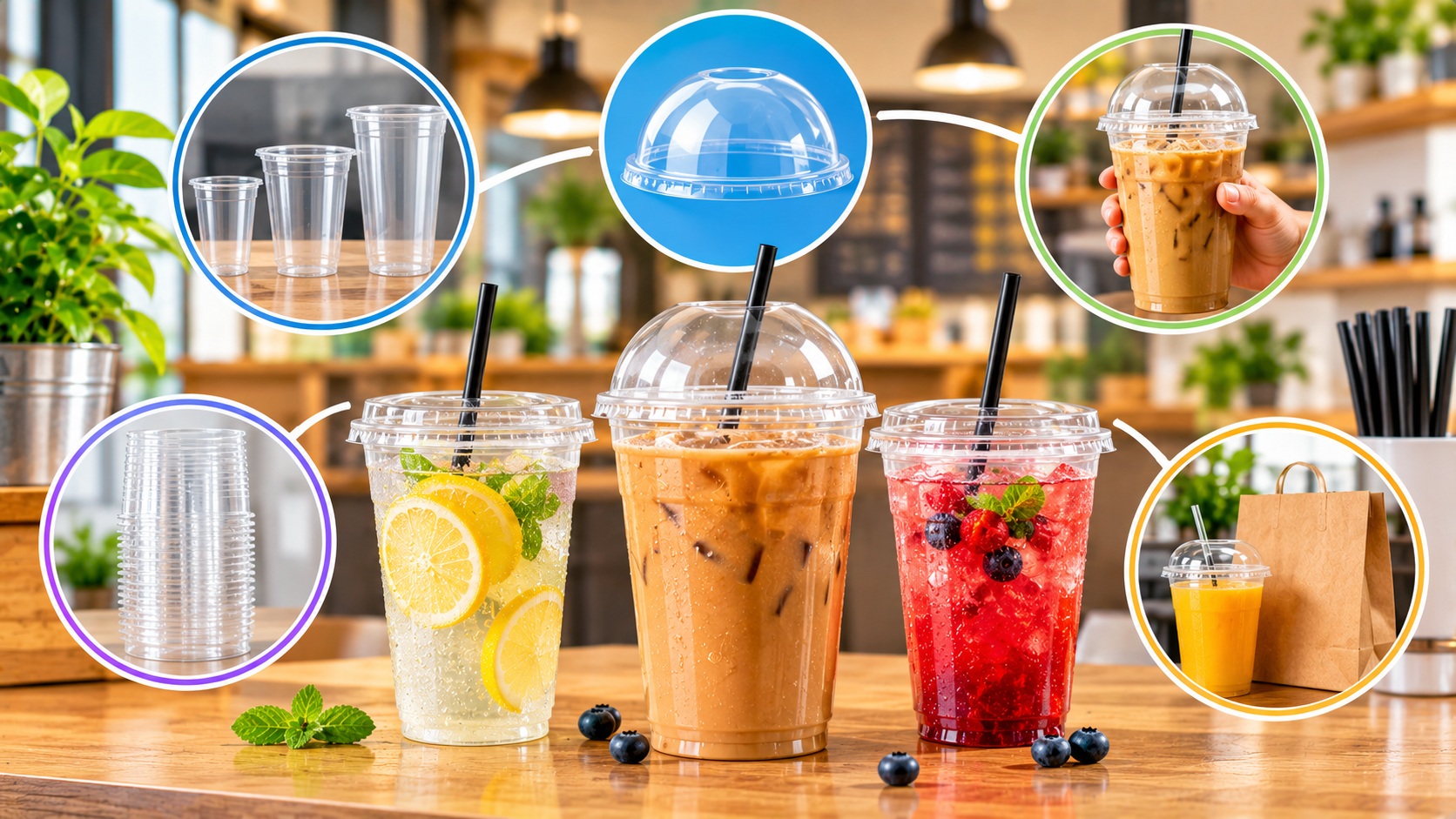
Cups are one of those things you don’t think about until something goes wrong. A lid pops off, condensation makes a cup slippery, or you run out in the middle of the lunch rush. If you run a restaurant, café, or takeout counter, choosing the right cup early saves you real trouble later. Look at Your Menu First Before you compare prices, look at what you actually sell. Most shops have a few drinks that make up the bulk of their orders. Check how much each one holds, and count the ice, because it takes up more room than people expect. Then think about where the drink is going. A takeout customer needs a cup that grips well and won’t leak in a car. Someone at a table cares more about how it looks. Once you know this, shopping for plastic cups stock gets much easier. Pick a Material That Fits Common materials used for disposable plastic cups include PET, polypropylene, and polystyrene. PET is the glossy, clear material you see in many iced coffee and smoothie cups, and it feels firm. Polypropylene is often more flexible than PET and can tolerate higher temperatures, depending on the cup’s specifications. Polystyrene cups are often lightweight and economical, but some rigid varieties can crack under pressure. No single option is best for everyone, so ask for a few samples and try them with real orders. A cup can look great in a catalog and still feel flimsy in your hand. Choose Sizes That Make Sense Most businesses get by with three or four sizes. Small cups, around 8 to 12 ounces, suit kids’ drinks, tastings, and smaller beverage orders. Sizes from 16 to 20 ounces cover most iced coffee, tea, and soda orders. Anything 24 ounces or bigger is usually for larger shakes and smoothies. Stocking every size just in case clutters your shelves and slows your team down, so start with what your menu needs and add more later. Hot Drinks and Cold Drinks This is where new owners often get caught. A cup made for iced drinks can go soft or warp when hot coffee is poured in. Cups made for hot beverages are designed to handle higher temperatures. Depending on the material, they may also need sleeves or insulated walls to protect customers’ hands. If your menu has both, stock both. Lids deserve the same care. Iced drinks do well with a flat or dome lid, while hot drinks need heat-compatible lids that fit securely. A loose lid is something customers notice fast. Always check the manufacturer’s temperature rating and intended use before serving hot drinks in plastic cups. Quality, Cost, and Storage The cheapest cup isn’t always the cheapest choice. If it cracks or leaks, you end up remaking drinks and apologizing. A solid cup that fits your budget is the better deal. Buying in bulk usually lowers the price per cup, but only if you have room to store it. Cups take up more space than you’d think and need to stay clean and dry, so measure your storage area first. Finding a Supplier You Can Count On A good coffee cups supplier does more than sell boxes of cups. They should deliver on time, keep popular sizes in stock, and pick up the phone when you have a question. That matters most when you’re running low. It also helps when your supplier carries lids, sleeves, and other packaging, so you’re not ordering from three places. If you want your logo printed on the cups, ask about minimum order sizes and turnaround time first. FAQs How do restaurants choose the right stock plastic cups? Most restaurants start with their menu and the drinks they sell most. They think about size, temperature, and how customers carry their orders. Then they compare materials, test the lids, and order samples before buying in bulk. Sturdy quality usually saves money over time. What sizes of stock plastic cups do foodservice businesses typically need? Three or four sizes are enough for most businesses. Small cups of 8 to 12 ounces suit kids’ drinks and smaller beverage orders. Cups from 16 to 20 ounces cover most iced drinks, and 24 ounces or more work for shakes and smoothies. Are stock plastic cups suitable for both cold and hot beverages? Not always. Many clear plastic cups are made for cold drinks and can warp with hot liquid. Some polypropylene cups can tolerate higher temperatures, but only use cups specifically rated for the beverages you’re serving. Check the product details before ordering. Where can Philadelphia businesses buy stock plastic cups in bulk? Philadelphia businesses can buy from local packaging suppliers, restaurant supply stores, or online distributors. A local supplier may offer convenient delivery options and easier communication, depending on its service area and ordering process. Look for case pricing and a good range of sizes and lids from a reliable coffee cups supplier with steady plastic cups stock. Final Thoughts The right cup comes down to knowing your menu, your customers, and your budget. Take your time, test a few samples, and work with people who understand how busy a foodservice day gets. If you need cups, lids, and packaging in the Philadelphia area, American Eagle Packages is here to help.