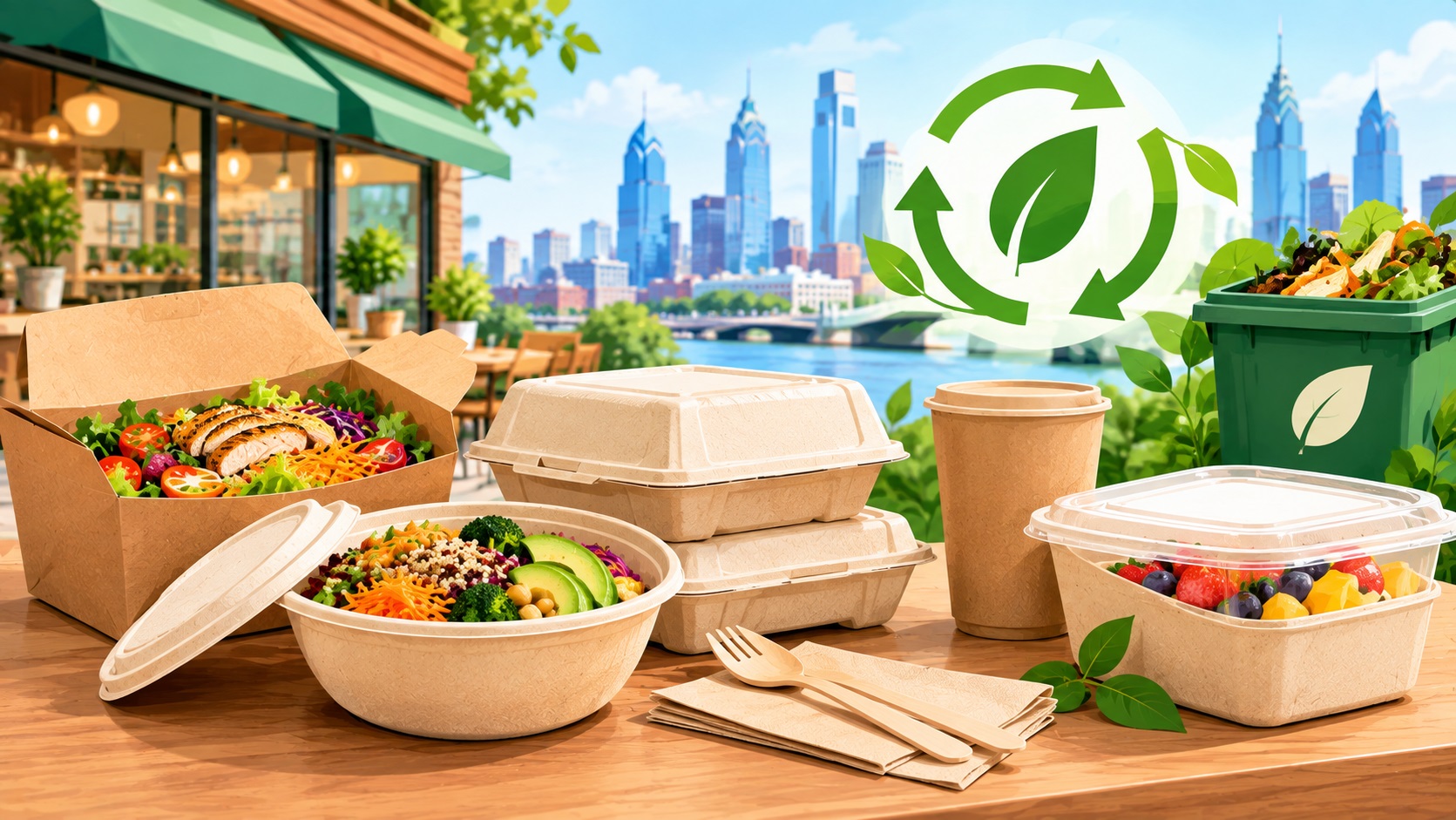

How Biodegradable Containers Help Philadelphia Restaurants Cut Waste
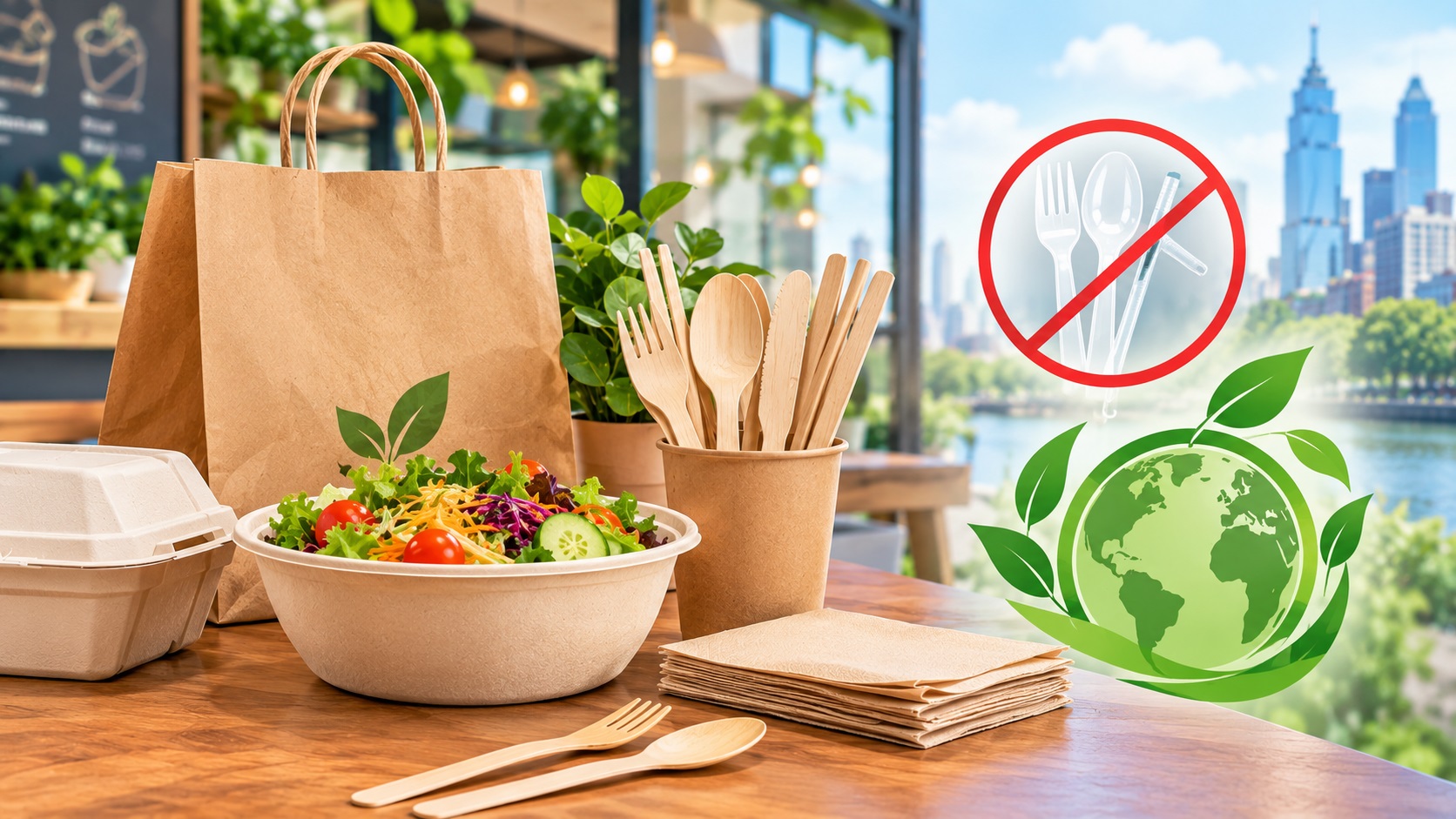
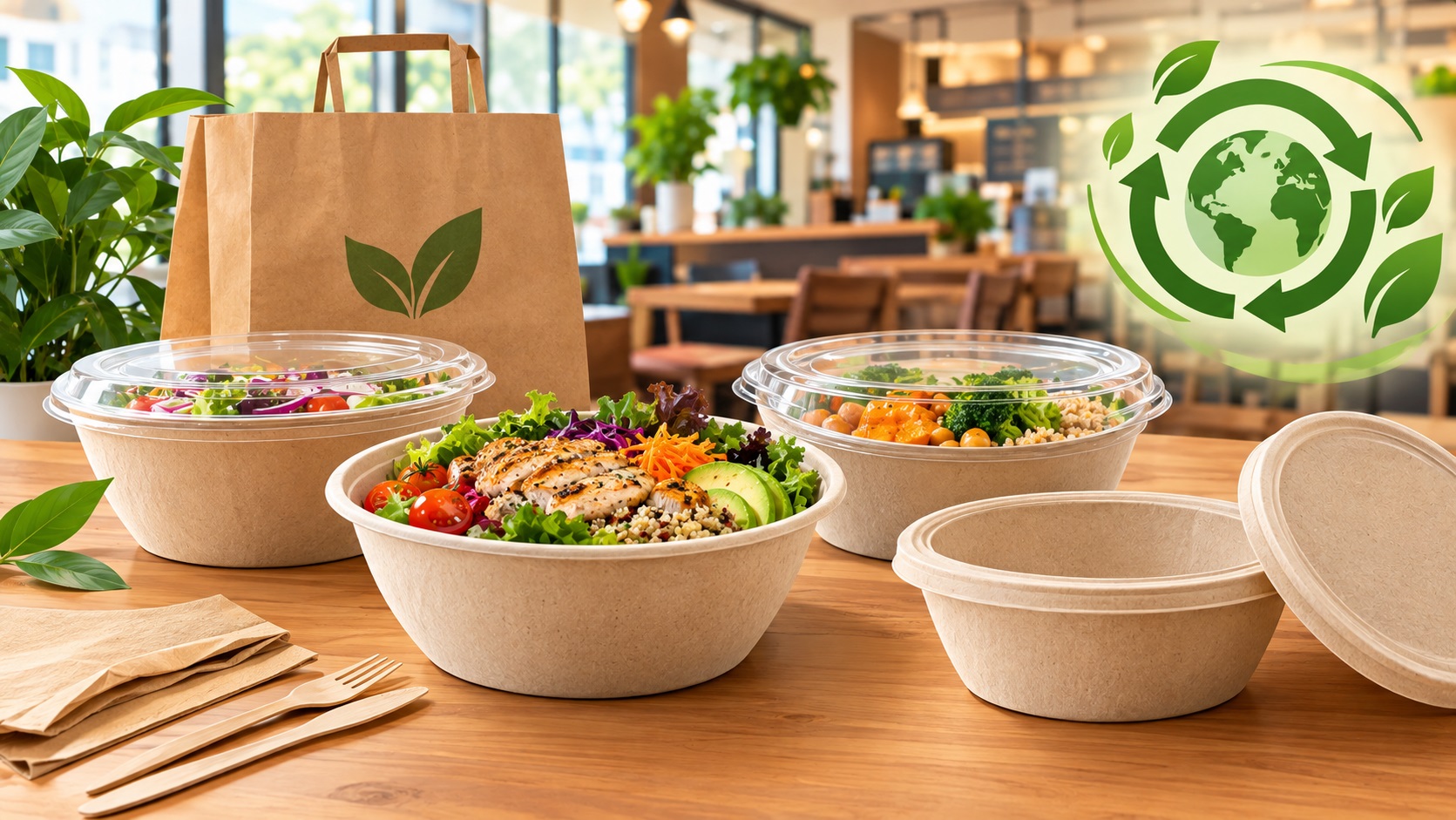
Philadelphia restaurants throw out thousands of pounds of packaging every single day, and most of it sits in a landfill for decades before it breaks down. That is the exact problem pushing more owners toward biodegradable containers Philadelphia businesses can trust without giving up quality or convenience. This is not a passing trend. Rising disposal costs and louder customer expectations have made the switch a practical necessity. Philadelphia runs one of the busiest restaurant scenes on the East Coast, and all that volume creates a serious packaging problem. Owners across the city are rethinking what goes into every takeout bag they hand out. This guide walks through how switching packaging actually cuts waste, and what details matter most when picking new containers. Waste Problem Philadelphia Restaurants Face Plastic and foam containers create a bigger burden than most owners realize. These materials sit around for hundreds of years, and many local recycling programs refuse to take them at all. Most of this packaging ends up buried in a landfill no matter how carefully someone sorts their trash. Philadelphia keeps tightening its waste rules, and restaurants feel that pressure directly. City officials have rolled out several initiatives targeting single-use plastics over the past few years. Restaurants that switch early avoid the scramble that comes when new restrictions suddenly take effect. Diners pay attention to packaging more than owners often assume. A growing number of customers specifically look for eco-friendly food containers Philadelphia spots before choosing where to place an order. Packaging has quietly turned into part of a restaurant’s reputation rather than a background detail nobody notices. Money plays a role here too. Disposal fees, occasional fines, and inefficient sorting all pile up over a year. Switching to better containers tends to shrink these hidden costs while also improving how customers see the business. Want a clear picture of how much waste your restaurant could cut? Talk to the team at American Eagle Packaging Co. and get a straight answer. How Biodegradable Containers Actually Cut Waste Biodegradable food containers Philadelphia restaurants use break down through natural processes instead of sitting intact for generations. Plant fiber, bagasse, and certain plant-based plastics decompose much faster than foam or standard plastic ever could. That single difference changes everything about what happens to packaging once it leaves the building. A lot of these containers also count as compostable food containers Philadelphia facilities can run through commercial composting programs. Compostable materials turn into usable organic matter instead of adding to landfill buildup. Biodegradable and compostable are not always the same thing, though, and the FAQ section further down clears up that distinction. Sustainable food containers Philadelphia owners are choosing now also demand fewer resources during production. Many come from renewable sources like sugarcane fiber or recycled paper, which shrinks the environmental footprint before the container ever reaches a kitchen. Some options even work for secondary uses, stretching their value even further. Biodegradable takeout containers Philadelphia restaurants rely on for delivery and to-go orders shrink the waste generated per order too. These containers break down faster and often use less raw material, so restaurants see a real drop in total packaging waste over months and years. For a business handling hundreds of takeout orders a day, that difference adds up fast. What to Check Before Switching Containers Eco-friendly packaging is not one size fits all, so a few details deserve attention before switching. Heat resistance matters a lot for hot food items, since some biodegradable materials hold up under high temperatures far better than others. Skipping this check leads to soggy bags and embarrassing container failures mid-delivery. Moisture resistance needs equal attention, particularly for soups, sauces, or anything with heavy liquid content. A container that softens too early causes leaks and frustrated customers. Matching the container to the actual food being served heads off most of these problems before they start. Size and shape options matter for everyday practicality. A kitchen running multiple menu items needs packaging that fits everything from single portions to large family orders. Working with a supplier that stocks a wide range simplifies life on a busy shift. Cost per unit still counts, even for owners who care deeply about sustainability. Buying in bulk from a solid supplier often brings prices in line with traditional packaging. That makes the switch realistic for small restaurants, not just larger chains with bigger budgets to work with. Looking for packaging that fits both your menu and your budget? American Eagle Packaging Co. stocks options built specifically for restaurants making this change. Frequently Asked Questions How do biodegradable containers help restaurants reduce packaging waste? They break down naturally instead of sitting in a landfill for hundreds of years. Faster decomposition and renewable materials mean less long-term waste piles up with every order a restaurant fills. What types of food businesses can use biodegradable containers? Restaurants, cafes, food trucks, catering companies, and delivery services all switch to this packaging without much trouble. Most styles handle everything from hot entrees to cold salads and drinks. Are biodegradable containers suitable for hot and cold foods? Yes, most biodegradable containers handle hot and cold foods just fine. Checking heat resistance and moisture resistance specs ahead of time still helps pick the right container for each menu item. Are biodegradable containers the same as compostable containers? Not exactly. Biodegradable containers break down naturally over time, while compostable ones break down specifically into nutrient-rich organic matter, usually through a commercial composting facility. Every compostable container qualifies as biodegradable, but not every biodegradable container meets composting standards. Final Thoughts Switching packaging ranks among the most practical moves a Philadelphia restaurant can make this year. Lower long-term waste and stronger customer trust both come from the same decision. Biodegradable containers Philadelphia restaurants adopt now put a business ahead of tightening regulations while showing diners the values behind the food. American Eagle Packaging Co. supplies Philadelphia restaurants with dependable biodegradable and compostable packaging built for real daily use. Visit American Eagle Packaging Co. and find the